

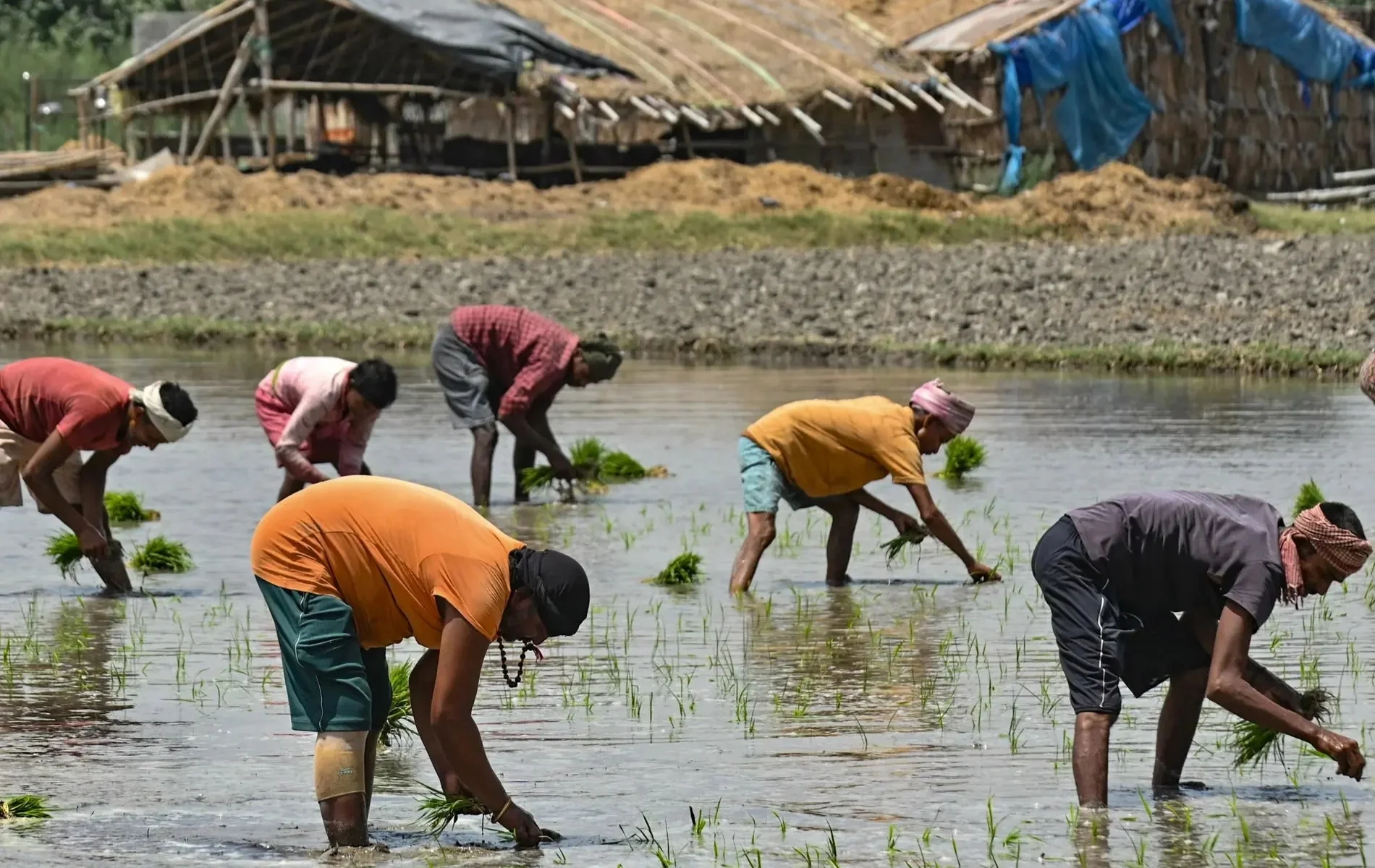
Agriculture remains the backbone of Pakistan’s economy, yet the country’s farmers continue to face mounting challenges that threaten both their livelihoods and national food security. The situation in Taunsa Sharif presents a troubling example of how policy failures and administrative decisions can deepen the hardships of an already struggling farming community.
For months, farmers dependent on the Chashma Right Bank Canal (CRBC) have endured severe water shortages due to the prolonged closure of the canal. Thousands of acres of agricultural land were deprived of irrigation water during crucial stages of crop cultivation. As a result, many farmers were forced to rely on costly tube wells powered by electricity and diesel, significantly increasing production costs at a time when agricultural inputs are already becoming unaffordable.
The consequences of this water shortage extend beyond individual farms. Reduced irrigation directly affects crop yields, farm incomes and, ultimately, food production. In an economy already grappling with inflation and rural poverty, such disruptions carry serious implications.
What has further aggravated the situation is the government’s decision to continue collecting abiana (water tax) despite the non-availability of irrigation water in many affected areas. This raises an obvious question: if farmers did not receive the water they were expected to pay for, on what basis should they be taxed?
Taxation is generally justified when a service is delivered. In the case of Taunsa Sharif, however, many farmers argue that they are being asked to pay for a facility that remained unavailable for extended periods. Such policies risk undermining trust between rural communities and public institutions.
Adding to farmers’ concerns is the decision to assign the collection of abiana to the patwari system. While the government may view this as an administrative measure aimed at improving revenue collection, farmers fear that it will increase bureaucratic hurdles and create additional opportunities for exploitation. Rural communities already face significant challenges in dealing with land revenue offices, and expanding the responsibilities of local revenue officials may further complicate matters.
The farming sector is simultaneously confronting rising prices of fertilisers, pesticides, seeds, fuel and electricity. Crop prices often fail to reflect these escalating costs, leaving growers with shrinking profit margins. Under such circumstances, imposing additional financial burdens without addressing the underlying problems appears disconnected from ground realities.
A sustainable agricultural policy must prioritise the needs of those who feed the nation. The government should conduct an immediate assessment of areas affected by CRBC water shortages, provide relief to affected farmers, and reconsider the collection of abiana where irrigation services were not adequately delivered. Equally important is the need for greater transparency and accountability in water management and revenue collection mechanisms.
Pakistan’s agricultural future cannot be secured through revenue measures alone. It requires a balanced approach that supports farmers, ensures efficient water distribution and recognises the economic realities of rural communities.
The farmers of Taunsa Sharif are not demanding special privileges. They are asking for a simple principle of fairness: if water was not supplied, why should they be forced to pay for it?
Until that question is answered through meaningful policy action, the frustration of the farming community is likely to grow, with consequences that may extend far beyond the fields of southern Punjab